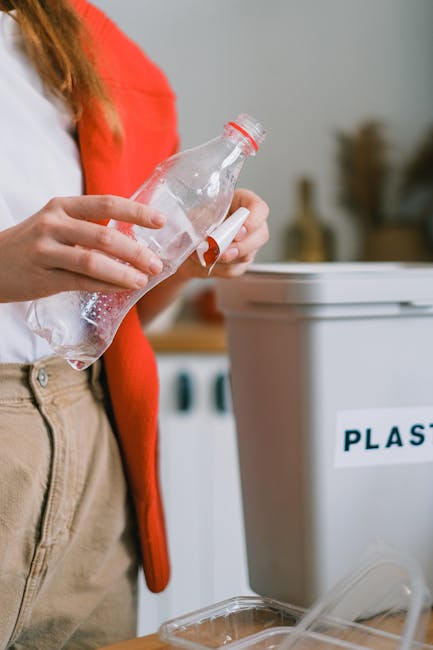
Disposal Rules for Hazardous Waste During Putney Removals

If you are moving home or office in Putney and you have paint tins, cleaning chemicals, batteries, fluorescent tubes, old solvents, or anything else that looks a bit suspicious, you need a clear plan before the van arrives. Disposal Rules for Hazardous Waste During Putney Removals are not just a paperwork issue; they shape what can be moved, what must be separated, and what has to be handled with extra care. Get it wrong and you risk leaks, fines, delays, or that awkward moment when a removal day grinds to a halt because nobody wants a box of half-used chemicals rolling around in the back.
This guide breaks the topic down in plain English. You will learn what hazardous waste means in a removals context, how disposal normally works in the UK, what best practice looks like in Putney, and how to avoid common mistakes. It also covers practical steps for homes, flats, offices, and small businesses, because let's face it, hazardous items don't always sit neatly in one category.
Why Disposal Rules for Hazardous Waste During Putney Removals Matters
Hazardous waste is different from ordinary rubbish. It can be flammable, corrosive, toxic, reactive, or simply hard to dispose of safely without the right process. During a move, these items are often hidden in plain sight: under the sink, in a shed, in a garage shelf, or tucked into a filing cabinet in an office. A bottle of bleach mixed with other cleaners, for example, can create a nasty spill if it tips over. A battery pack can short. A tin of old paint can leak into cardboard and onto furniture. None of that is ideal when everything else is wrapped and ready to go.
In Putney, where many homes are flats, maisonettes, and period properties with tight stairwells and limited parking, poor packing can make a small hazard become a bigger one. There is less room to isolate risky items, less tolerance for mess, and usually less patience from neighbours if something smells or drips in a communal hallway. The disposal rules matter because they protect people, property, vehicles, and the wider environment. They also help you avoid unnecessary stress on moving day.
There is another reason this topic matters: not every item should be treated in the same way. Some things can travel if they are sealed and declared properly. Others should be removed before the move and handed to a suitable disposal route. Knowing the difference saves time, money, and a surprising amount of frustration.
Expert summary: the safest approach is simple: identify hazardous items early, keep them separate, and never assume a remover can take them without checking first. A five-minute sort now can save an hour of panic later.
How Disposal Rules for Hazardous Waste During Putney Removals Works
The process usually starts with identification. Before packing begins, you go room by room and look for anything that may need special handling. In a home, that might include aerosols, solvents, garden chemicals, used engine oil, paints, glue, nail varnish remover, fluorescent bulbs, and small batteries. In an office, the list can expand to include printer toner, leftover cleaning chemicals, laboratory materials, server room batteries, or damaged electrical items with hazardous components.
Once identified, the item needs a decision: can it be safely transported as part of the move, or should it be separated for disposal before relocation? This depends on the item, its condition, local collection options, and the policies of the removals provider. Some removals jobs, including those arranged through man and van support or larger vehicle options such as a moving truck, can accommodate certain non-leaking, properly packed items, but only where the operator has agreed in advance. Anything with a spill risk or strong hazard profile should be treated cautiously.
After that comes containment. The item should stay in its original packaging where possible, with labels intact. If the original container is damaged, double-bagging or a secure secondary container may be needed, depending on the type of waste. You should never mix categories just to save space. Paint with bleach is a bad idea. So are loose batteries and metal scraps in the same bag. Truth be told, that is how simple problems become expensive ones.
Next is transport and disposal. A responsible removals process will separate hazardous waste from household goods, move it only where permitted, and ensure it is directed to a compliant disposal route. For larger or business moves, this may be planned alongside other logistics such as commercial moves or office relocation services, but the hazardous waste still needs its own handling plan. It is not something to throw on top of soft furnishings and hope for the best.
If you are arranging a full-service move, packaging help can also make the process cleaner and safer. The teams providing packing and unpacking services can help separate risky items from ordinary belongings, while you remain responsible for declaring what those items are. That shared clarity is what keeps move day calm.
Key Benefits and Practical Advantages
Following proper disposal rules is not just about ticking a compliance box. It makes the entire move easier to manage. The obvious benefit is safety. Sealed, separated hazardous items are less likely to leak, ignite, break, or contaminate other goods. That matters if you are moving a family home, a shared flat, or a business premises with equipment that cost a small fortune.
There is also a practical time benefit. Teams move faster when they are not pausing to rewrap stained cardboard or inspect suspicious containers. A prepared move tends to feel almost boringly smooth. And boring, in removals, is beautiful.
Other advantages include:
- lower risk of damage to furniture, flooring, and the vehicle
- fewer last-minute delays on move day
- easier sorting for recycling or lawful disposal
- less risk of odours, leaks, or contamination inside boxes
- better clarity between the customer and the removals team
For businesses, the upside is even clearer. Offices and commercial spaces often hold hazardous items in drawers, storage cupboards, copier areas, or maintenance rooms. Handling them properly can reduce downtime and protect staff who are trying to get the new place operational quickly. If the move includes large furniture and mixed office contents, a service such as commercial moves combined with a suitable vehicle hire option like removal truck hire may be the most organised route, provided hazardous waste has already been sorted out.
Who This Is For and When It Makes Sense
This guidance is for anyone in Putney who is moving and has items that do not belong in normal household waste. That includes homeowners, tenants, landlords, office managers, shop owners, and anyone helping to clear a property before handover. You may also need it if you are downsizing, emptying a storage room, or dealing with inherited items that have been sitting untouched for years. Dusty garage cupboards can hide all sorts of surprises. Usually the smell gives the game away first.
It is especially relevant if you are moving from a place with built-in storage, a basement, a workshop, or a home office. Those spaces tend to collect half-used products and items that were never labelled with future-you in mind. If you are moving from a small flat, you may have less hazardous waste in volume, but the same rules still apply. A tiny bottle can still be a problem if it leaks into a box of books.
It also makes sense to think about this early if your move is tight on timing. For example, if you are using home moves support and have a hard deadline for keys, you do not want to be sorting paint and batteries at 7 a.m. while the kettle boils and the van is waiting outside. That is one of those situations that sounds manageable until you are living it.
If you are unsure whether a particular item is hazardous, treat it as if it is until you can confirm otherwise. That is a sensible default, not over-caution. In moving, caution tends to be cheaper than damage.
Step-by-Step Guidance
Here is a practical way to handle hazardous waste during a Putney move without turning the whole process into a drama.
- Do a pre-move sweep. Walk through kitchens, bathrooms, sheds, lofts, garages, utility cupboards, and office storage. Look for labels that mention flammable, toxic, corrosive, irritant, or harmful.
- Group items by type. Keep batteries with batteries, paints with paints, and cleaners with cleaners. Do not mix liquids unless you are specifically told it is safe to do so, which is rare.
- Check condition. If a container is swollen, cracked, rusted, or leaking, isolate it immediately. Put it in a secondary container and keep it away from heat and direct sunlight.
- Decide what stays and what goes. Some items may be acceptable to move if sealed and agreed in advance. Others should be disposed of before moving day. When in doubt, ask the removals provider before packing.
- Label clearly. Mark boxes or tubs containing hazardous items so nobody mistakes them for general household goods. A simple handwritten label is fine.
- Keep them accessible. Do not bury hazardous items beneath blankets, books, or kitchenware. They should be easy to identify and separate at collection time.
- Use the right disposal route. Follow the local and provider-specific process for disposal. That may involve leaving items out of the moving load, arranging a special pickup, or taking them to a suitable facility if allowed.
- Confirm before loading. On the day, make sure the foreman or driver knows exactly what is present. Surprises slow everything down.
If the move is primarily about furniture and household goods, you may also want to coordinate the rest of the job around a service like furniture pick up for unwanted items that are not hazardous, so the dangerous waste remains separate. That split often makes the day feel much more manageable.
Expert Tips for Better Results
In practice, the best results come from planning the boring bits early. The glamorous part of a move is picking the new place. The useful part is sorting the cupboard under the sink. Here are the habits that make a real difference.
1. Start with the highest-risk rooms. Kitchens, utility rooms, garages, and garden sheds usually hold the most hazardous material. Deal with those first, while you still have mental bandwidth.
2. Keep original labels intact. Labels help identify the item quickly and safely. If you peel them off or transfer contents into an unmarked bottle, you create uncertainty for everyone involved.
3. Use sealed, upright containers. A stable container is worth more than an extra layer of bubble wrap. It should not wobble when placed in the van or stacked briefly on a trolley.
4. Separate electricals from chemicals. People often group everything "problematic" together, but that is not helpful. Batteries, bulbs, solvents, and aerosols each need different handling logic.
5. Build a small quarantine area. If possible, set aside one tray, box, or corner of a room for hazardous items only. In a busy move, a designated spot prevents accidental mixing.
6. Be honest about quantities. If you have a few old paint tins, say so. If you have a cabinet full, say that too. Bigger volumes may change how the job is planned, especially if you are using a man with van style service or coordinating a larger load.
7. Don't leave it until the final hour. By late afternoon on move day, nobody wants to be opening half-packed drawers and guessing what belongs where. That kind of guessing is how mistakes happen.
One small but important point: if you are managing a move in a busy part of Putney, staggered parking, narrow entrances, and shared access can all make quick sorting harder. Build a little breathing room into the plan. You will thank yourself later.
Common Mistakes to Avoid
There are a few errors that show up again and again. Most are easy to avoid once you know what to look for.
- Mixing hazardous and non-hazardous items in one box. It saves time for about two minutes and creates a headache for everyone else.
- Leaving liquids loose in a vehicle. Even a small leak can damage upholstery, wood, paperwork, or electronics.
- Ignoring old batteries and bulbs. They are small, so people forget them. But they still need proper handling.
- Assuming all removals teams take hazardous waste. They may not, and even when they can, there are often limits. Always check.
- Failing to separate items that are expired or damaged. A partly used can of adhesive is not the same as a sealed product in good condition.
- Storing hazardous items near heat. A sunny windowsill or a hot loft is not the place for chemicals.
- Forgetting about sheds and garages. Some of the worst offenders live out there in the dark, behind the lawnmower.
Another mistake is treating disposal as an afterthought. People often get the big boxes packed, the beds dismantled, the keys handed over, and only then remember the old cleaning products. By then, everyone is tired. That is when shortcuts creep in. A little awkward, and totally avoidable.
Tools, Resources and Recommendations
You do not need specialist equipment for every move, but a few simple tools make hazardous waste handling safer and calmer.
- Permanent marker: for clear box labels
- Small plastic tub or tray: useful for keeping bottles upright
- Heavy-duty gloves: helpful when sorting dusty or grimy items
- Absorbent packing material: for cushioning sealed containers if permitted
- Zip bags or secondary containers: useful for separating small loose items like batteries
- Checklist sheet: so you can log what is staying, moving, or being discarded
For a more organised move, many people combine hazardous waste sorting with general packing support and a suitable vehicle arrangement. If you are shifting a full home, a service like house removalists may suit a more hands-off approach, while larger or mixed-load jobs often benefit from a broader logistics plan. If you are unsure about the best setup, it is worth speaking to the team early rather than guessing on the morning of the move.
It can also help to keep a simple "do not pack" zone. Put the hazardous items there, keep them visible, and check them again just before loading. It sounds almost too basic, but simple systems are often the ones that actually hold together.
Law, Compliance, Standards and Best Practice
Hazardous waste handling in the UK is regulated and should be treated carefully. You do not need to memorise legislation to behave responsibly, but you do need to understand the spirit of it: identify dangerous waste correctly, store it safely, move it only when appropriate, and dispose of it through a lawful route. In a removal context, that means the customer and the provider both have a duty to avoid careless handling.
Best practice usually includes accurate description, secure containment, and clear separation from ordinary household or office waste. If an item is classified as hazardous, do not reframe it as general rubbish just because it is inconvenient. That does not make it non-hazardous. Nice try, but no.
For businesses, recordkeeping and internal procedures matter even more. Office relocations can involve IT batteries, toner cartridges, cleaning materials, or maintenance chemicals that need internal sign-off before removal. That is why a well-planned office relocation should include a waste sort before the final pack. If your move is commercial in nature, the safer route is often to separate the hazardous items from the main shipment entirely and arrange disposal first.
A good rule of thumb is to assume that anything marked flammable, corrosive, toxic, oxidising, or dangerous for the environment deserves special handling. If labels are missing or unreadable, err on the side of caution. When in doubt, ask for advice rather than making a risky assumption.
Options, Methods, or Comparison Table
Different situations call for different methods. There is no one-size-fits-all answer, and that is normal. A one-bedroom flat with a couple of old cleaning products is not the same as a six-room office with maintenance stock.
| Method | Best for | Pros | Watch-outs |
|---|---|---|---|
| Move it only if approved | Small, sealed items that the removals team has agreed to transport | Convenient, efficient, fewer separate trips | Needs clear communication and proper packing |
| Separate and dispose first | Leaking, expired, unknown, or high-risk items | Safest option, reduces moving-day complications | Requires planning before the move |
| Bundle with broader clearance | Moves with unwanted furniture, clutter, and mixed contents | Can simplify the overall clear-out | Hazardous waste still must stay separate from ordinary items |
| Office-led internal sort | Commercial relocations and managed workspaces | Good for compliance and asset control | Needs coordination across departments |
For many households, the safest option is disposal first and moving second. For some business customers, a controlled move with an agreed list of items may be fine. The right answer depends on the item itself, not just the postcode or the vehicle size. Practical, a bit dull, very effective.
Case Study or Real-World Example
Imagine a Putney family moving from a Victorian flat with a small loft cupboard, a kitchen under-sink cabinet, and a utility shelf that had quietly become a graveyard for old products. On sorting day, they found half-empty paint tins, a box of batteries, a couple of aerosols, a cracked bottle of drain cleaner, and one bulb that had been wrapped in newspaper so many times it looked like a tiny parcel from another decade.
Instead of packing everything together, they separated the risky items first. The intact paint tins were checked, labelled, and held aside. The damaged bottle was isolated. The batteries and bulbs were placed into their own small container. The removals team was told in advance, so nothing came as a surprise on the day. The rest of the household contents were packed normally, and the move progressed without the usual last-minute panic.
What changed? Not much on paper. But in real life, the hallway stayed clear, the van remained clean, and the move finished on time. There was no mystery spill to mop up at the end of a long day, which anyone who has ever moved on a warm July afternoon will appreciate. The family could focus on getting the beds made and the kettle unpacked, not on sorting out a chemical smell in the boot of a van.
That is the point of getting the disposal rules right. It is not about being overcautious. It is about removing friction before the stress piles up.
Practical Checklist
Use this checklist a few days before your move. It is short on purpose. Short is good when your head is already full.
- Check kitchens, bathrooms, garages, sheds, lofts, and utility cupboards for hazardous items
- Separate batteries, bulbs, paints, solvents, cleaners, aerosols, and chemicals
- Keep original labels on containers where possible
- Place damaged or leaking items in a secure secondary container
- Do not mix chemicals or combine them with ordinary waste
- Tell the removals team exactly what hazardous items you have
- Confirm whether the items will be moved, held aside, or disposed of separately
- Label any box or tub containing hazardous waste clearly
- Keep hazardous items accessible on moving day
- Double-check office cupboards, under-sink areas, and forgotten storage spaces
And if you are coordinating a bigger move, make sure the vehicle and packing plan match the reality of what you own. Sometimes that means a larger load setup, sometimes a simpler one. If the job needs a dedicated vehicle, consider the most suitable option rather than forcing everything into one arrangement. That choice is often the difference between calm and chaos.
Get a free quote today and see how much you can save.
Conclusion
Disposal Rules for Hazardous Waste During Putney Removals are really about good judgement, early sorting, and clear communication. Once you identify the risky items, separate them properly, and decide on the right disposal route, the rest of the move becomes much simpler. That is true whether you are clearing a family flat, relocating a business, or managing a mixed household and furniture move.
The best approach is not complicated. Start early, keep labels intact, avoid mixing substances, and tell your removals provider what is present before the van door opens. If you do that, you protect your belongings, reduce stress, and keep the day moving at a sensible pace. Not perfect, maybe. But much better, and often that is exactly what a move needs.
At the end of it all, a well-handled move has a quiet kind of satisfaction to it: fewer surprises, fewer spills, and a fresh start that actually feels fresh.
Frequently Asked Questions
What counts as hazardous waste during a move?
Hazardous waste usually includes items that are flammable, toxic, corrosive, reactive, or otherwise unsafe to mix with normal household rubbish. Common examples include batteries, paint, solvents, aerosols, fluorescent bulbs, and certain cleaning products.
Can I put old paint in the moving van?
Only if it is properly sealed, declared in advance, and the removals team has agreed to take it. Damaged or leaking tins should usually be separated and handled through a disposal route rather than packed with furniture.
Do removals companies always take hazardous waste?
No. Many will not take it at all, and others may accept only specific sealed items under agreed conditions. Always check before moving day so there are no surprises.
What should I do with batteries before a Putney removal?
Keep them separate from ordinary items, ideally in a small container or bag that prevents loose contact. Do not mix damaged batteries with general waste, and do not leave them rolling around in boxes.
How do I know if a cleaning product is hazardous?
Look at the label. Warnings such as flammable, toxic, corrosive, harmful, or dangerous for the environment are strong signals that the item needs special handling. If the label is missing, treat the item cautiously.
Can hazardous items be packed with kitchenware if they are sealed?
It is not a good idea. Even sealed products can leak or break in transit. Keep them separate so that any problem is contained and easy to identify.
What happens if I forget to mention a hazardous item?
It can delay the move, create safety issues, or leave the team unable to transport the item. If you remember something late, tell the removals provider immediately rather than hoping nobody notices.
Is office hazardous waste different from home hazardous waste?
The basic principle is the same, but offices often have extra items such as toner, maintenance chemicals, server batteries, or stored equipment. Commercial moves usually need a more structured sort-out.
Should I dispose of hazardous waste before the moving date?
Yes, wherever possible. That is usually the cleanest and safest option, especially if the items are damaged, expired, or in unknown condition.
Can a man and van service help with hazardous items?
Sometimes, but only if the service agrees in advance and the items are suitable for transport. For more modest moves, a service like man and van support can be practical, but the hazardous items still need separate approval.
What is the safest way to store hazardous waste before moving day?
Keep it in its original packaging where possible, store it upright, away from heat, and separated from food, textiles, and electronics. A designated tray or box is usually better than leaving things loose in cupboards.
Who should I contact if I am unsure about an item?
Speak to your removals provider before packing it. If the item is unusual, damaged, or unlabeled, it is better to ask early than to guess on the day. Clear advice saves a lot of hassle later.
Does using packing services help with hazardous waste?
Yes, it can help with sorting and separation, especially in busy homes or offices. Just remember that packing support is not the same as approving hazardous transport; the item still needs to be declared and handled correctly.